


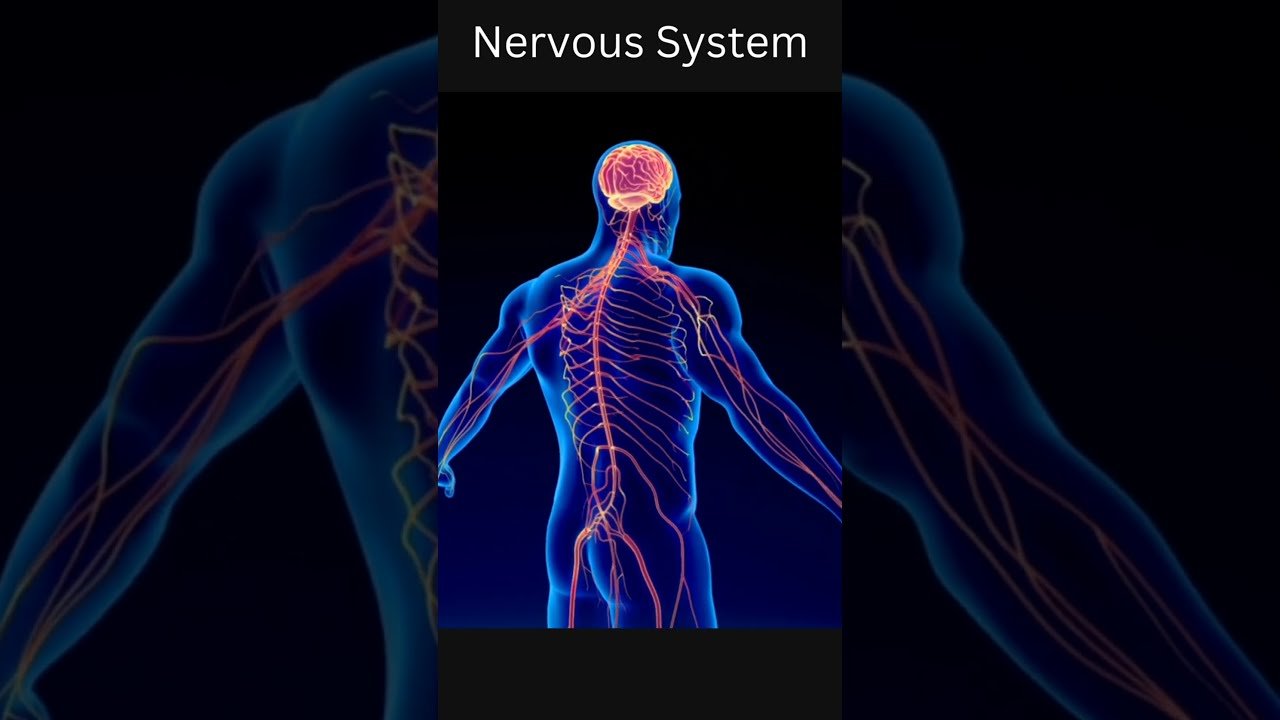
Fun facts about the nervous system reveal how this complex network silently controls everything we think, feel, and do. From blinking an eye to solving a difficult problem, the nervous system works nonstop to keep the body alive and responsive. Many people know it controls the brain and nerves, but few realize how fast, adaptable, and fascinating it truly is. Understanding these facts not only sparks curiosity but also deepens appreciation for how the human body functions at every moment.
This article finds surprising, science backed and easy-to-understand facts about the nervous system and its functions. Each section highlights how this system works, why it matters and what makes it extraordinary.
1:How the Nervous System Controls the Entire Body
The nervous system acts as the body’s command and communication center. It collects information from inside and outside the body, processes it, and sends signals that trigger actions. Without this system, the body cannot react to danger, maintain balance, or even breathe consciously.
The system has two main parts: the central nervous system and the peripheral nervous system. The central nervous system includes the brain and spinal cord, while the peripheral system connects nerves to muscles, organs, and skin. Together, they form a powerful network that processes billions of signals every second.
These how nervous system works facts help explain why even small nerve damage can affect movement, sensation, or thinking.
2:How Fast the Nervous System Really Works
One of the most fascinating nervous system science facts is its speed. Nerve impulses can travel up to 120 meters per second, which is faster than a race car. This speed allows the body to respond instantly to pain and heat or danger.
When you touch something hot, your hand pulls away before your brain fully processes the pain. This happens because reflex actions bypass conscious thought and travel directly through the spinal cord. This automatic response protects the body from injury.
3:How Your Brain Uses Electricity to Function
The brain does not just think—it produces electricity. Billions of neurons communicate using tiny electrical signals. These signals create measurable brain waves, which scientists can record using EEG machines.Even while sleeping, the brain stays active. Different types of brain waves appear during deep sleep, dreaming, or focused thinking. This constant electrical activity proves that the nervous system never truly rests.This insight adds depth to brain and nerves fun facts, showing how energy powers thought itself.
4:The Nervous System Controls Both Conscious and Unconscious Actions
You consciously decide to walk, talk, or write, but the nervous system also manages unconscious actions. Heartbeat, digestion, breathing, and pupil size all operate automatically.The autonomic nervous system controls these involuntary functions. It has two branches: the sympathetic system, which prepares the body for stress, and the parasympathetic system, which promotes relaxation and recovery.This balance keeps the body stable, even during emotional or physical stress.
5:How Long Do Neurons Actually Live?
Most cells in the body replace themselves, but many neurons last a lifetime. Once developed, neurons usually do not regenerate, which explains why brain and spinal cord injuries can have long-term effects.However, scientists have discovered limited neurogenesis in specific brain areas, such as the hippocampus. This area supports learning and memory, showing that the nervous system still has some capacity for renewal.
6:How the Nervous System Communicates With the Body
Neurons communicate using electrical impulses and chemical messengers called neurotransmitters. When a signal reaches the end of a neuron, it releases neurotransmitters that cross a tiny gap called a synapse.These chemicals bind to the next neuron and continue the message. This process happens millions of times per second, allowing rapid communication throughout the body.These how nervous system works facts explain why chemical imbalances can affect mood, memory, and movement.
7:The Brain Uses a Lot of Energy
Although the brain weighs only about 2% of body weight, it consumes around 20% of the body’s energy. Thinking, remembering, and problem-solving all require fuel.
This high energy demand explains why proper nutrition, hydration, and oxygen are essential for mental performance. When energy levels drop, concentration and reaction time suffer.
8:Why Your Body Feels Pain in Unexpected Places
Referred pain is one of the most interesting brain and nerves fun facts. Sometimes, pain appears in a different location than its source. For example, heart problems can cause pain in the arm or jaw.This happens because nerves from different body areas connect to the same spinal pathways. The brain misinterprets the signal, causing pain in an unexpected location.
9:The Role of the Spinal Cord in Nervous System Function
The spinal cord acts as the main highway for nerve signals traveling between the brain and body. It controls reflexes and relays sensory and motor information.Damage to the spinal cord can disrupt communication below the injury site, leading to loss of movement or sensation. This highlights how vital the spinal cord is to everyday functioning.
10:The Nervous System Can Heal and Rewire
The nervous system shows remarkable adaptability through a process called neuroplasticity. When one area of the brain becomes damaged, other regions can sometimes take over its functions.Learning new skills strengthens neural connections, while unused pathways weaken. This ability allows recovery after injury and supports lifelong learning.Neuroplasticity is one of the most hopeful nervous system science facts in modern neuroscience.
11:Stress Directly Affects the Nervous System
Stress activates the sympathetic nervous system, releasing adrenaline and cortisol. These hormones prepare the body for action but can cause harm if stress becomes chronic.Long-term stress affects memory, sleep, digestion, and immune function. Managing stress supports nervous system health and improves overall well-being.
12:Sensory Processing: How the Nervous System Interprets the World
The nervous system processes information from five main senses: sight, hearing, taste, smell, and touch. Specialized receptors convert physical stimuli into electrical signals.The brain then interprets these signals, creating perception. For example, light waves become images, and vibrations become sound. This complex process happens so quickly that we rarely notice it.
13:How the Nervous System Develops Before Birth
The nervous system begins forming early in fetal development. The neural tube, which later becomes the brain and spinal cord, develops within weeks of conception.Proper nutrition, especially folic acid, supports healthy nervous system development. Early disruptions can lead to lifelong neurological challenges.
14:Gut and Brain Are Connected
The gut contains millions of neurons and communicates directly with the brain. This connection is known as the gut-brain axis.Digestive health influences mood, stress levels, and mental clarity. This connection explains why anxiety can cause stomach discomfort and why gut health supports emotional balance.This is one of the most surprising fun facts about the nervous system for many people.
15:How the Nervous System Protects the Body
The nervous system triggers protective reflexes such as blinking, coughing, and sneezing. These automatic responses shield the body from harm.Pain also serves as a warning signal, prompting avoidance of injury. While unpleasant, pain plays a critical protective role.
16:Sleep Restores the Nervous System
During sleep, the brain removes waste products and strengthens memory pathways. Deep sleep supports emotional regulation and learning.Lack of sleep disrupts nerve signaling, leading to poor focus and mood changes. Quality sleep keeps the nervous system functioning optimally.
17:How Nervous System Disorders Show Its Critical Role
Conditions like Parkinson’s disease, multiple sclerosis, epilepsy, and neuropathy show how essential the nervous system is. Even minor nerve damage can affect daily life.Understanding these conditions increases awareness and encourages preventive care through healthy lifestyle choices.
18:The Brain on Laughter: Fun Facts Revealed
Laughter engages emotional, motor, and sensory regions of the brain. It reduces stress hormones and stimulates feel-good neurotransmitters.This explains why laughter improves mood and strengthens social bonds.
19:Why Learning About the Nervous System Matters
Learning about the nervous system improves self-awareness and health decisions. It encourages better stress management, sleep habits, and mental care.These insights make how nervous system works facts relevant to everyday life.
20:Final Thoughts on the Nervous System
As we explore these fun facts about the nervous system, it becomes clear that this system is more than a biological structure, it is the foundation of human experience. From thoughts and emotions to movement and survival, the nervous system coordinates it all with remarkable precision.By understanding these facts, we gain respect for the science behind our actions and the delicate balance that keeps us functioning.
Wrap up
The nervous system controls communication, movement, sensation, and thought. It operates at incredible speed, adapts through neuroplasticity, and connects the brain with every part of the body. These fun facts about the nervous system highlight its complexity, resilience, and importance in daily life. Protecting nervous system health supports both physical and mental well-being.
Frequently Asked Questions (FAQs)
1. What is the main function of the nervous system?
The nervous system controls communication between the brain and body, managing movement, sensation, and internal functions.
2. How fast do nerve signals travel?
Nerve impulses can travel up to 120 meters per second, allowing instant responses.
3. Can the nervous system heal itself?
It has limited healing ability but neuroplasticity allows some recovery and adaptation.
4. Why is the nervous system important for emotions?
It regulates neurotransmitters and brain regions responsible for mood and emotional responses.
5. How can I keep my nervous system healthy?
Balanced nutrition, regular exercise, stress management, and quality sleep support nervous system health.
