


Healthy, strong, and shiny hair is a hallmark of overall wellness, and natural remedies are gaining increasing attention in 2026. One herb that has stood the test of time for hair care is dry amla, also known as Indian gooseberry. Packed with essential nutrients, antioxidants, and bioactive compounds, amla has been used in traditional medicine for centuries to support hair health, scalp care, and overall vitality.
In this comprehensive guide we tell you how amla and its various forms can naturally enhance hair strength, reduce hair fall, and promote a radiant scalp. Each section delves into its benefits, usage, and the science behind its effectiveness.
1:What is Dry Amla?
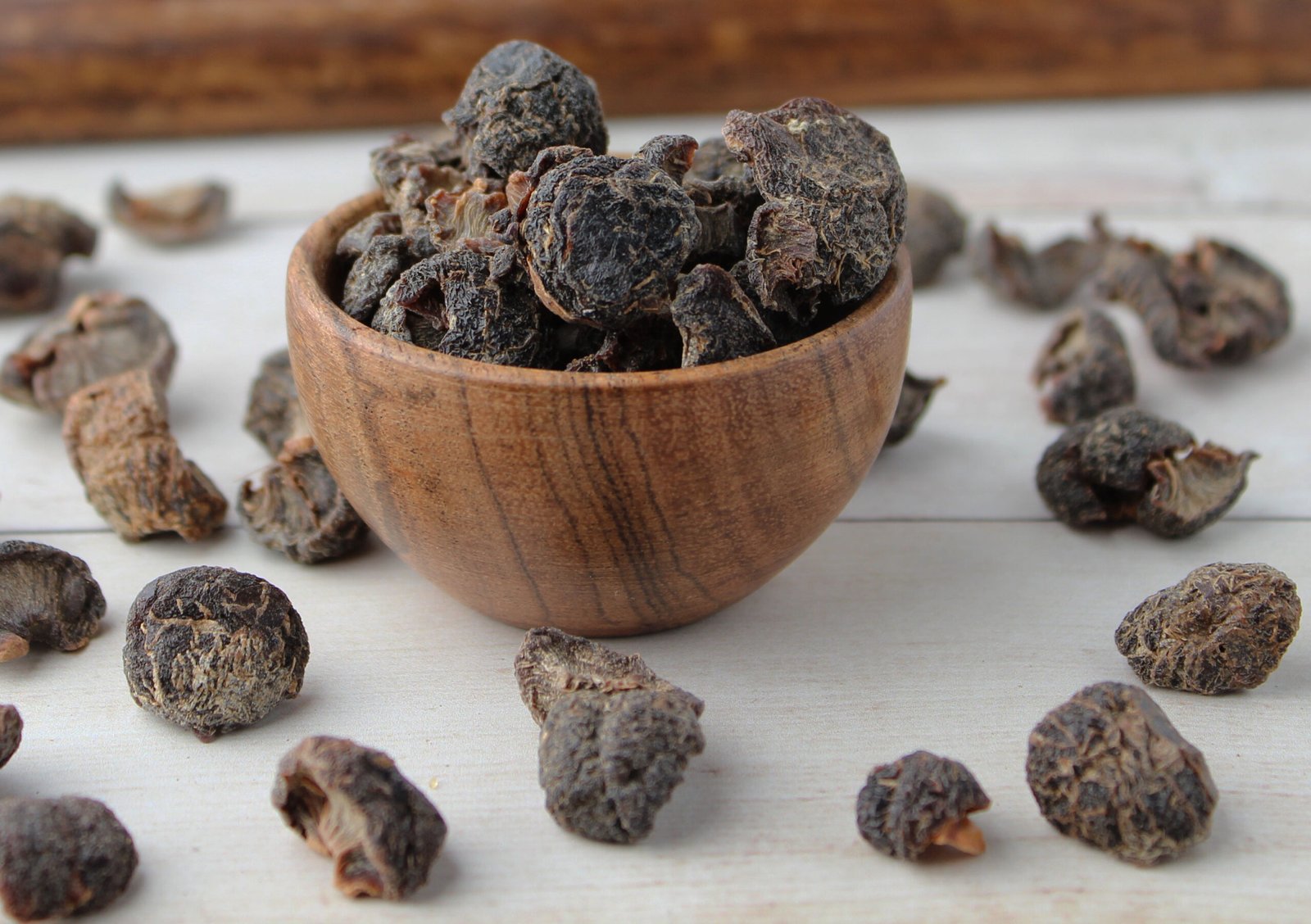
Dry amla is the dried form of the Indian gooseberry, a fruit native to India and renowned for its rich nutrient profile. Its natural antioxidants, vitamin C content, and polyphenols make it a powerful agent for hair nourishment. Unlike fresh amla the dried version preserves most of the nutrients, making it easier to store and consume throughout the year.
The drying process can vary, including sun drying, freeze drying, or oven-drying. Freeze-dried amla is particularly popular as it retains the highest concentration of vitamins and bioactive compounds. Amla pieces and amla powder are common forms used in herbal hair care routines.
2:Complete Nutritional Breakdown of Amla
Amla is a nutrient powerhouse. Its components include:
- Vitamin C: Enhances collagen production, strengthens hair follicles, and combats free radicals.
- Amino acids: Support hair growth and repair damaged strands.
- Minerals: Iron, calcium, and phosphorus help strengthen hair from the root.
- Polyphenols and Flavonoids: Offer antioxidant protection for the scalp and hair cells.
This combination makes amla a holistic solution for maintaining healthy, vibrant hair.
3:Strengthen and Nourish Hair with Amla
amla is particularly known for its role in hair care. Its benefits include:
- Strengthening Hair Roots: Nutrients in amla penetrate hair follicles, reducing hair fall and breakage.
- Promoting Hair Growth: Regular use stimulates blood circulation in the scalp, promoting natural hair growth.
- Reducing Dandruff and Scalp Inflammation: Anti inflammatory and antimicrobial properties help soothe itchy scalp and combat dandruff.
- Enhancing Hair Shine and Texture: Vitamins and antioxidants restore natural shine, smoothness, and softness.
- Delaying Premature Graying: Regular intake of amla can slow down hair graying due to its antioxidant-rich nature.
4:How Amla Can Be Used for Hair Care
In modern herbal routines, amla comes in several convenient forms:
- Amla powder: Ideal for hair masks and topical treatments.
- Dried amla pieces: Can be boiled to make hair tonics or infused oils.
- Amla capsules / supplements: Convenient for daily internal consumption, supporting hair health from within.
- Herbal amla blends: Combined with other herbs like bhringraj or fenugreek for enhanced effects.
- Organic amla: Ensures purity and chemical-free preparation for scalp and hair applications.
Key Points to Know:Each form allows flexibility depending on whether you prefer topical application or internal supplementation.
5:Herbal Support for Scalp Wellness
A healthy scalp is the foundation of healthy hair. amla improves scalp health in multiple ways:
- Reduces excess oil and prevents clogged follicles.
- Fights fungal infections and dandruff due to its antimicrobial properties.
- Enhances blood flow, ensuring nutrients reach hair roots effectively.
Everything You Need to Know: Amla for skin also benefits the scalp, providing a natural moisturizing and protective layer. Regular use keeps the scalp nourished, preventing dryness and irritation.
6:Using Dry Amla For Hair Naturally
There are multiple methods to incorporate amla into a hair care routine:
- Amla Hair Masks: Mix amla powder with coconut oil, yogurt, or aloe vera gel and apply to the scalp for 30–60 minutes.
- Amla Oil Infusion: Boil dried amla pieces in carrier oils to create a nutrient-rich hair oil.
- Herbal Hair Tonics: Steep amla in water and use it as a final rinse after shampooing.
- Supplements / Capsules: Take daily for internal nourishment to support hair growth.
Key Points to Know: Consistency is key. Using dry amla 2–3 times per week in topical forms and daily in supplement form yields optimal results.
7:Scientific Perspective on Amla and Hair Health
Modern research supports the traditional use of amla for hair care. Studies show that:
- Vitamin C and polyphenols in amla protect hair follicles from oxidative stress.
- Antimicrobial activity reduces scalp infections and inflammation.
- Amino acids and minerals strengthen keratin production, improving hair structure.
You Should Know:This combination explains why amla is considered a natural alternative to chemical-based hair treatments.
8:How to Use Amla for Everyday Hair Care
To maximize benefits, amla should be integrated holistically:
- Combine topical treatments with dietary supplements for internal support.
- Pair with a healthy diet rich in proteins and omega-3 fatty acids.
- Maintain proper hydration to aid nutrient delivery to hair follicles.
- Use chemical-free shampoos and conditioners to avoid stripping nutrients.
9:Precautions and Recommendations
While amla is generally safe, a few precautions are advised:
- Avoid excessive intake; stick to recommended doses for supplements.
- Test topical applications on a small skin area to avoid allergic reactions.
- People with digestive sensitivity should start with small amounts of powdered amla
10:Dry Amla For Hair Strengthening
Dry amla contains compounds that penetrate the hair shaft, strengthening it from root to tip. Regular use reduces split ends and breakage while improving elasticity. People struggling with brittle or thinning hair can notice significant improvement when amla is integrated consistently.
- Hair follicle nourishment: Rich vitamin C and amino acids help maintain hair follicle health.
- Root reinforcement: Minerals like iron and calcium reduce hair fallout.
Massage scalp with amla infused oil before bedtime for deep nourishment.
11:Herbal Solutions for Scalp Care and Dandruff Control
Dry amla’s antimicrobial and anti-inflammatory properties make it excellent for maintaining a clean and healthy scalp.
- Prevents fungal infections that cause dandruff.
- Reduces itchiness and irritation.
- Balances scalp oil production for oily hair types.
You Should Know: DIY scalp treatment: Mix amla powder with neem powder and water to form a paste. Apply to the scalp for 30 minutes and rinse for reduced dandruff.
12:Boosting Hair Growth Naturally
The phytonutrients in amla improve blood circulation in the scalp, stimulating dormant follicles. This results in thicker and healthier hair growth over time. Combining amla with other herbs like brahmi or bhringraj can amplify results.
- Internal support: Taking amla capsules or supplements ensures nutrients reach hair roots.
- External application: Hair masks and oils improve hair texture and shine.
13:Dry Amla For Hair Shine and Texture
Many users notice improved hair luster after applying amla treatments. It strengthens the hair cuticle, reduces frizz, and enhances natural shine without using chemical-based products.
- Combine amla powder with coconut oil for a natural shine mask.
- Use amla-infused rinse water after shampooing to add softness.
14:DIY Hair Treatments Using Amla
- Amla Hair Mask for Growth:
- 2 tbsp amla powder
- 1 tbsp coconut oil
- 1 tbsp yogurt
Mix into a smooth paste, apply to scalp and hair, leave 45 minutes, rinse with lukewarm water.
- Amla Oil Infusion:
- Boil dried amla pieces in sesame or coconut oil for 30–40 minutes.
- Cool, strain, and massage scalp 2–3 times a week.
- Herbal Hair Rinse:
- Steep freeze-dried amla in hot water for 15 minutes.
- Cool and use as a final rinse post-shampoo.
15:Scientific Insights on it For Hair Health
Recent studies support amla’s effectiveness:
- Vitamin C and antioxidants protect hair follicles from oxidative stress.
- Anti-inflammatory properties reduce scalp irritation.
- Amino acids enhance keratin synthesis, the primary protein in hair.
Key Points to Know: Such research validates centuries of Ayurvedic knowledge, confirming amla as a potent natural hair care solution.
16:Supporting Skin or Immunity and Wellness
While the main focus is hair, amla also supports overall wellness:
- Skin care: Amla for skin helps reduce pigmentation and promotes a youthful glow.
- Immunity support: Rich vitamin C boosts overall immune health.
- Digestive support: Amla enhances metabolism and gut health.
- Anti-aging effects: Polyphenols combat oxidative stress, delaying signs of aging.
Integrating amla into your diet and topical care creates a holistic wellness approach.
17:How to Select High Quality Dry Amla
- Organic amla ensures no pesticides or chemicals.
- Freeze-dried amla retains maximum nutrients.
- Powder vs pieces: Powder is easier for hair masks, pieces are ideal for infusions.
- Capsules and supplements: Best for internal consumption to complement topical treatments.
18:Tips to Prevent Mistakes with Amla Treatments
- Overusing amla powder or supplements, which may cause mild digestive discomfort.
- Applying undiluted amla powder directly to the scalp without mixing, which can be harsh.
- Ignoring consistency, amla works best with regular, continued use.
For more details also read this: https://www.westrnhealth.com/medical/bhumi-amla-uses-in-traditional-and-modern-herbal-medicine
Important Questions About this
1. How often should I use it for hair?
Topical masks 2–3 times per week and daily supplements provide the best results.
2. Can it prevent hair graying?
Yes. Its antioxidants help delay premature graying when used consistently.
3. Is it safe for all hair types?
Yes. It is generally safe but sensitive scalp users should do a patch test first.
4. What is the best form of amla for hair growth?
Combination use works best: topical powder or oil for scalp and capsules for internal support.
5. Can children use it for hair?
In small amounts under guidance, it can be beneficial, but consult a pediatrician first.
Wrap up
Dry amla, also known as Indian gooseberry, is a natural powerhouse for hair health. Its rich vitamin C, antioxidants, amino acids, and minerals provide:
- Stronger hair roots and reduced hair fall
- Natural promotion of hair growth
- Dandruff and scalp inflammation control
- Enhanced shine, texture, and delayed graying
Key Points to Know: Available as amla powder, dried amla pieces, capsules, and herbal blends, this herb offers flexible ways to support hair naturally. Integrating amla into a regular routine ensures long-term hair vitality and overall wellness.
