


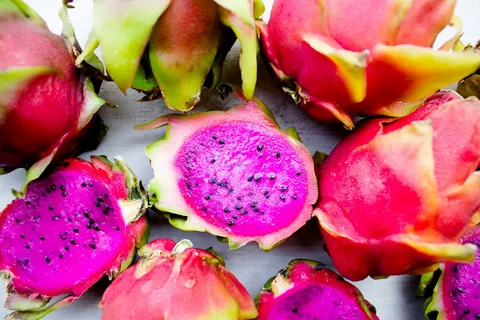
Purple haze dragon fruit has rapidly gained recognition as a tropical superfood with vibrant color, exceptional taste, and numerous health benefits. Known for its deep purple flesh and unique flavor, it is becoming increasingly popular among health enthusiasts, culinary experts, and exotic fruit lovers. Beyond aesthetics, this fruit offers a combination of antioxidants, vitamins, and fiber that make it ideal for enhancing overall well-being.
In this article we tell everything about purple haze dragon fruit: its origin, cultivation, taste, nutritional value, health benefits, pollination traits, global availability, and how it compares to other dragon fruit varieties. We will also provide guidance on how to incorporate it into your diet, tips for purchase, and practical uses.
1:What Is Purple Haze Dragon Fruit?
Purple haze dragon fruit is a unique variety of the Hylocereus cactus species, distinguished by its intense purple flesh and visually striking skin. Unlike the traditional red or white dragon fruits, this cultivar has a deeper pigmentation due to higher levels of natural antioxidants called betalains. Its vibrant color, combined with a mildly sweet and creamy texture, makes it highly appealing for both raw consumption and culinary creations.
The outer skin typically has a rich pink to magenta hue, with leaf-like scales that protect the delicate inner flesh. The fruit contains tiny edible black seeds that add a slight crunch and are rich in essential fatty acids.
2:History and Roots of Purple Haze Dragon Fruit
Purple haze dragon fruit traces its origins to Central America and Mexico, where indigenous communities cultivated cactus fruits for centuries. Traders later introduced these fruits to Southeast Asia, particularly Vietnam, Thailand, and the Philippines, where the warm, humid climate allowed it to flourish.
In recent decades, selective breeding and modern agricultural practices have enhanced its sweetness, pigmentation, and resilience. Cultivars like Physical Graffiti dragon fruit have emerged alongside purple haze dragon fruit, catering to different taste preferences and ornamental purposes.
3:The Plant and Pollination Traits
The purple haze dragon fruit plant is a climbing cactus that thrives in tropical and subtropical regions. Its growth habit is vining, which allows the plant to climb supports or trellises, maximizing fruit yield. One of its remarkable features is that it is self-pollinating, meaning a single plant can produce fruit without needing cross-pollination from another plant. This trait makes it easier for farmers to cultivate it at scale and ensures reliable fruit production.
The plant produces large, fragrant nocturnal flowers that bloom at night, attracting pollinators in natural settings. These flowers, known as purple haze dragon fruit flowers, are not only visually striking but also essential for fruit development.
4:Tastes and Its Culinary Benefits
One of the main reasons for its popularity is the purple haze dragon fruit taste. The flesh is mildly sweet with subtle earthy undertones and a creamy texture. Tiny seeds embedded in the flesh provide a delicate crunch, enhancing the eating experience. Unlike some tropical fruits, it is not overpoweringly sweet, making it versatile for various culinary applications.
Common Uses
- Fresh consumption as a snack
- Smoothies and juices
- Salads and fruit bowls
- Desserts and parfaits
- Powdered form for smoothies or baking
Key Points to Know:Its natural sweetness and vibrant color also make it a favorite ingredient in health-oriented recipes, providing both nutrition and visual appeal.
Nutritional Profile
The purple haze dragon fruit nutrition is impressive. Despite its low-calorie content, it is packed with essential nutrients:
- Vitamins: Rich in vitamin C and B-complex vitamins
- Minerals: Potassium, magnesium, and calcium
- Fiber: Supports digestion and gut health
- Antioxidants: High betalain content, flavonoids, and polyphenols
- Healthy fats: Present in small amounts in the seeds
This combination supports immune function, promotes heart health, and helps in cellular repair.
5:Health Advantages of Eating Purple Haze Fruit
The purple haze dragon fruit benefits extend across multiple areas of wellness:
- Antioxidant Protection – Neutralizes free radicals, reduces oxidative stress, and supports cellular health.
- Digestive Support – Dietary fiber promotes regularity and maintains a healthy gut microbiome.
- Immune Boost – Vitamin C content enhances the body’s natural defenses.
- Heart Health – Potassium and fiber help maintain healthy blood pressure and cholesterol levels.
- Skin and Beauty – Antioxidants aid in collagen production, reduce signs of aging, and improve skin radiance.
- Weight Management – Low in calories and high in fiber, it provides satiety without excess energy intake.
6:Global Availability and Where to Buy
Many people are curious about purple haze dragon fruit where to buy. The fruit is available in:
- Organic grocery stores
- Specialty fruit markets
- Health food stores
- Online marketplaces
Key Points to Know:Its availability is expanding globally, especially in regions with tropical climates or import-friendly trade routes. Countries like Vietnam and Thailand are major exporters, while select farms in the United States, Australia, and Europe cultivate it for premium markets.
7:Purple Haze Dragon Fruit vs Other Varieties
Compared to traditional dragon fruit varieties:
- Physical Graffiti Dragon Fruit: Slightly less sweet, often used for decorative and ornamental purposes.
- White or Red Dragon Fruit: Less antioxidant density and slightly milder flavor than purple haze.
Must Know Information: Purple haze stands out for its vibrant color, higher antioxidant content, and richer taste, making it a preferred choice for smoothies, juices, and gourmet dishes.
8:Calories and Weight Management
A single cup of fresh purple haze dragon fruit contains approximately 50–60 calories, making it ideal for weight-conscious diets. The high fiber content ensures prolonged satiety and reduces unnecessary snacking, supporting healthy weight management.
9:Growing and Care Tips
The purple haze dragon fruit plant is hardy and relatively low-maintenance:
- Requires well drained soil and ample sunlight
- Benefits from trellis support for climbing
- Needs moderate watering; overwatering may cause root rot
- Can thrive in home gardens or larger commercial farms due to its self-pollinating nature
10:Smoothies, Juices, and Powder Uses
- Smoothies: Blend with bananas, berries or plant based milk for a nutritious start to the day.
- Juices: Freshly squeezed juice retains antioxidants and provides natural hydration.
- Powdered Form: Ideal for year-round use in smoothies, baking, or yogurts when fresh fruit is unavailable.
11:Potential Side Effects and Safety
Purple haze dragon fruit is safe for most people. Minor considerations include:
- Excessive consumption may lead to mild digestive discomfort
- Rare allergies may occur
- Safe for children, adults, and the elderly when eaten in moderation
Wrap up
Purple haze dragon fruit is a tropical superfood combining taste, nutrition, and visual appeal. Its deep purple flesh, high antioxidant content, and fiber-rich seeds make it a valuable addition to modern diets. With versatile culinary uses, self-pollinating growth traits, and global availability, it is a fruit that supports immunity, digestive health, skin radiance, and heart wellness.
Whether eaten fresh, in smoothies, juices, or powdered form, this fruit provides a natural, nutrient-rich option for anyone seeking to enhance their diet while enjoying an exotic and flavorful experience.
For more details also read this: https://westrnhealth.com/food/why-purple-dragon-fruit-is-a-powerful-super-food/
Purple Haze Dragon Fruit: Frequently Asked Questions
1. How does purple haze dragon fruit taste?
It has a mildly sweet and creamy texture with tiny edible seeds that add a slight crunch.
2. Can I buy purple haze dragon fruit online?
Yes. It is available through organic grocery stores and specialty fruit markets and online health food platforms.
3. Is purple haze dragon fruit safe for children?
Yes. It is safe for children when consumed in moderation.
4. What makes purple haze dragon fruit different from other dragon fruit?
It has more intense purple flesh, higher antioxidant content and a slightly sweeter taste compared to red or white varieties.
5. Can I use purple haze dragon fruit in smoothies and juices?
Absolutely. Its flavor and color make it ideal for smoothies, juices, and even powdered health recipes.
