


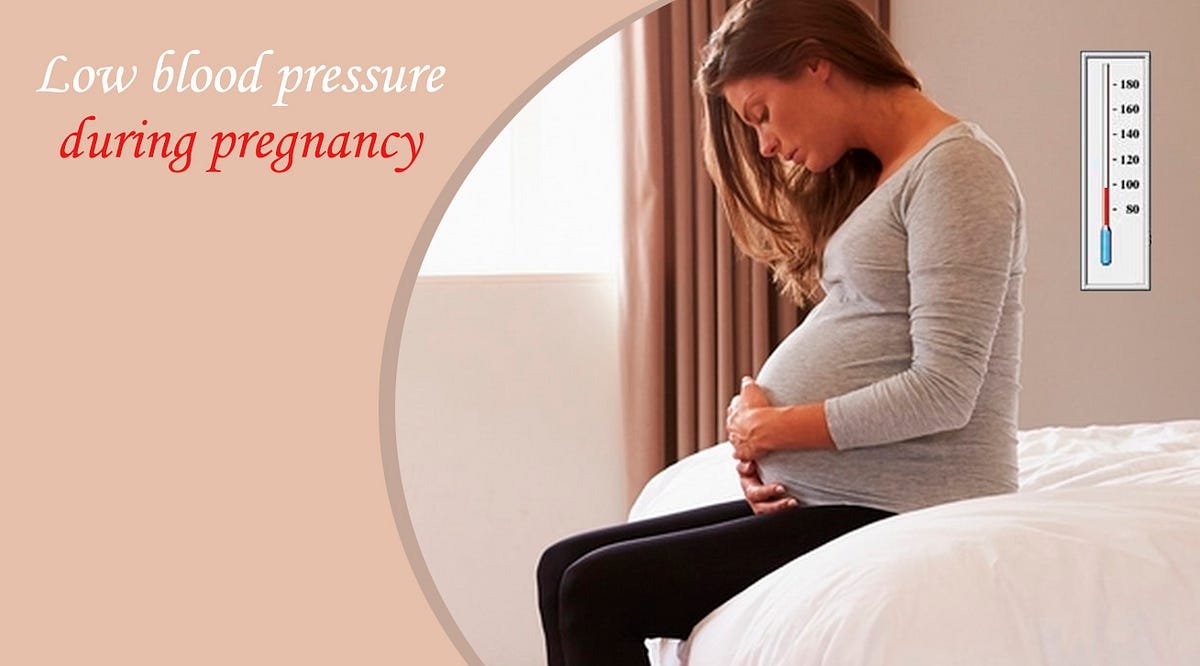
Blood pressure is the force exerted by circulating blood against the walls of blood vessels. It is a critical indicator of cardiovascular health, and maintaining it within a healthy range is essential for overall well-being. Blood pressure is measured in millimeters of mercury (mmHg) and recorded as two numbers: systolic pressure (when the heart beats) over diastolic pressure (when the heart rests between beats).
During pregnancy, a woman’s body undergoes significant changes to support the growing fetus, including increased blood volume and hormonal shifts. These changes can influence blood pressure levels, sometimes leading to low blood pressure in pregnancy, also known as hypotension. Understanding what causes low blood pressure, its symptoms, associated risks, and preventive measures is crucial for expecting mothers.
1:What Is Low Blood Pressure?
Low blood pressure occurs when the readings fall below 90/60 mmHg. While some individuals naturally have lower blood pressure without symptoms, pregnant women with hypotension may experience dizziness, fainting, or fatigue. During pregnancy, the cardiovascular system adapts to meet the demands of both mother and baby, but sometimes blood pressure can drop excessively, affecting oxygen and nutrient delivery to the fetus.
2:Causes of Low Blood Pressure in Pregnancy
Several factors can contribute to low blood pressure in pregnancy, including:
- Hormonal Changes: Pregnancy hormones, particularly progesterone, relax blood vessel walls, which can lower blood pressure.
- Blood Volume Changes: Early in pregnancy, blood vessels expand faster than blood volume, causing temporary hypotension.
- Nutritional Deficiencies: Lack of essential nutrients like iron or vitamin B12 can reduce red blood cell production, contributing to low blood pressure.
- Dehydration: Insufficient fluid intake decreases blood volume, leading to hypotension.
- Prolonged Standing or Sudden Position Changes: Rapid movements from sitting or lying down to standing can cause dizziness or fainting episodes.
- Underlying Health Conditions: Heart problems, endocrine disorders, or severe infections can worsen hypotension.
3:Symptoms of Low Blood Pressure in Pregnancy
Recognizing the symptoms is essential for timely intervention. Common signs of hypotension include:
- Dizziness or lightheadedness, especially when standing
- Fainting or near-fainting episodes
- Blurred vision or temporary vision loss
- Fatigue and weakness
- Nausea
- Cold, clammy, or pale skin
- Rapid or shallow breathing
Key Points to Know:Experiencing these symptoms may indicate a need for medical evaluation to ensure both maternal and fetal safety.
4:Potential Risks of Low Blood Pressure During Pregnancy
While mild hypotension may not cause serious problems, persistently low blood pressure can create complications for both mother and baby:
1. Reduced Blood Flow to the Placenta
Low blood pressure can limit the blood supply reaching the placenta, reducing the delivery of oxygen and essential nutrients to the developing baby. In severe cases, this may impact fetal growth.
2. Dizziness and Falls
Expecting mothers with hypotension are at risk of fainting, which can lead to falls and injuries. Physical trauma during pregnancy can have severe consequences for both mother and child.
3. Shock in Severe Cases
Extremely low blood pressure can cause maternal shock, characterized by confusion, rapid heartbeat, and cold skin. This condition requires immediate medical attention.
4. Organ Function Impairment
Chronic hypotension may affect vital organs, including the kidneys and brain, reducing their ability to function optimally during pregnancy.
5. Fatigue and Reduced Quality of Life
Persistent low blood pressure can lead to constant fatigue, affecting daily activities and mental health.
5:Safety Tips to Prevent Low Blood Pressure During Pregnancy
Managing low blood pressure in pregnancy involves lifestyle adjustments, dietary strategies, and monitoring:
1. Stay Hydrated
Drinking enough water is crucial to maintain blood volume. Pregnant women should aim for at least 8–10 glasses of water daily. Coconut water or natural fruit juices can also support hydration.
2. Eat Small, Frequent Meals
Large meals can lead to blood pooling in the digestive tract, lowering overall blood pressure. Eating smaller, frequent meals rich in protein, complex carbohydrates, and healthy fats can help maintain steady blood pressure levels.
3. Include Nutrient-Rich Foods
Iron-rich foods like spinach, lentils, and red meat can prevent anemia, a common cause of low blood pressure. Foods containing vitamin B12, folate, and magnesium support healthy blood cell production.
4. Avoid Sudden Position Changes
Changing positions slowly, especially when getting up from bed or a chair, can prevent dizziness and fainting. Wearing support stockings may also help improve circulation.
5. Moderate Exercise
Gentle exercises like walking, swimming, or prenatal yoga can improve blood flow and maintain cardiovascular health without overtaxing the body.
6. Monitor Blood Pressure Regularly
Home monitoring using a reliable blood pressure cuff allows early detection of dangerously low readings. Routine prenatal check-ups are essential for professional assessment and guidance.
7. Limit Triggers of Hypotension
Avoid standing for prolonged periods, extreme heat exposure, and overexertion, which can exacerbate low blood pressure symptoms.
7:Signs You Should See a Doctor Immediately
Pregnant women should contact their healthcare provider immediately if they experience:
- Recurrent fainting episodes
- Persistent dizziness despite hydration
- Rapid heartbeat or chest discomfort
- Severe nausea or vomiting
- Signs of dehydration (dry mouth, very little urine)
You Should Know:Medical evaluation may include blood tests, electrolyte analysis, and monitoring fetal well-being to ensure safe outcomes.
Wrapping Up
Low blood pressure in pregnancy can occur naturally due to hormonal and blood volume changes, but persistent hypotension requires attention. Recognizing symptoms such as dizziness, fainting, and fatigue is essential for protecting both mother and baby. Preventive measures, including hydration, balanced nutrition, gradual movement, and regular monitoring, help maintain safe blood pressure levels. Combining lifestyle adjustments with medical supervision ensures maternal comfort, reduces risks, and supports fetal health.
Important Frequently Asked Questions (FAQs)
1. Can low blood pressure harm my baby during pregnancy?
Mild hypotension is usually harmless, but severe or persistent low blood pressure may reduce blood flow to the placenta, affecting fetal growth.
2. What foods can help increase blood pressure safely in pregnancy?
Iron-rich foods, complex carbohydrates, healthy fats, and fluids such as water and coconut water can help maintain stable blood pressure.
3. How can I prevent dizziness caused by low blood pressure?
Avoid sudden position changes and eat small frequent meals, stay hydrated, and engage in gentle exercises.
4. Is low blood pressure common in all trimesters?
Yes. It is more common in the first and second trimesters due to hormonal changes but may improve in the third trimester as blood volume increases.
5. When should I consult my doctor about hypotension during pregnancy?
Seek medical attention if you experience repeated fainting and persistent dizziness, rapid heartbeat, severe nausea, or signs of dehydration.
