


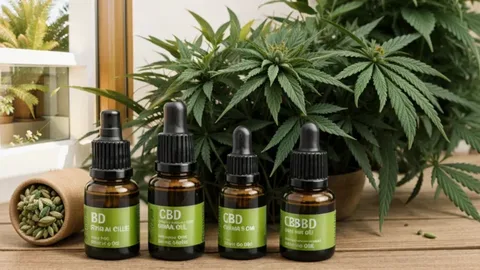
Does CBD Live Up to Its Claims of Health Benefits?
CBD, short for cannabidiol, has become extremely popular in recent years. It is commonly found in oils, capsules, gummies, creams, and even beverages. Many people claim that CBD can help with pain, anxiety, sleep problems, and overall wellness. But the big question remains: does CBD really live up to its health benefit claims, or is it mostly marketing hype?
Understanding What CBD Is
CBD is a natural compound extracted from the hemp plant. Unlike THC, another compound from cannabis, CBD does not cause intoxication or a “high.” This makes it appealing to people looking for potential health benefits without mind-altering effects. CBD interacts with the body’s endocannabinoid system, which plays a role in regulating mood, sleep, appetite, and immune response.
Health Benefits Backed by Strong Evidence
The most reliable evidence supporting CBD comes from medical research on seizure disorders. A prescription CBD medication is approved for treating certain rare forms of epilepsy, where it has been shown to reduce seizure frequency. This remains the strongest and most scientifically supported use of CBD in modern medicine.
Potential Benefits Still Being Studied
Many people use CBD for anxiety, stress relief, sleep improvement, and pain management. Some early studies and user reports suggest CBD may help calm the nervous system, reduce inflammation, and promote relaxation. These effects could explain why some individuals feel better after using CBD products. However, most of this evidence is still limited, and results can vary from person to person.
Where CBD Claims May Be Overstated
CBD is often advertised as a cure-all for serious conditions such as chronic diseases, mental health disorders, or even cancer. At this time, there is no solid scientific proof that CBD can cure or treat these illnesses. While it may support general wellness, exaggerated claims can be misleading and should be approached with caution.
Safety and Possible Side Effects
CBD is generally considered safe for many adults when used in moderate amounts. However, some people may experience side effects such as fatigue, dry mouth, nausea, or changes in appetite. CBD can also interact with certain medications, which means medical advice is important before regular use.
Quality and Regulation Concerns
One major issue with CBD products is inconsistent quality. Since many CBD items are sold as supplements rather than medicines, their strength and purity can vary widely. Some products may contain less CBD than advertised or include unwanted ingredients. Choosing reputable brands and checking third-party lab testing is essential.
Final Verdict: Does CBD Really Work?
CBD does offer real benefits in specific medical situations and shows promise in areas like stress relief and sleep support. However, it does not fully live up to all the health claims commonly seen in advertising. While it may help some people feel better, it should not be viewed as a miracle solution. Responsible use, realistic expectations, and professional guidance are key.
Bottom Line
CBD can be a helpful wellness supplement for some individuals, but it is not a guaranteed cure for health problems. Ongoing research will continue to clarify its true benefits and limitations.
